



In this Article:
- Introduction
- Wondering what Bokashi and EM-1 are?
- What is Bokashi composting
- What is Bokashi bran made of?
- What are EM-1 Microbes?
- Using the Bokashi Bin
- How do I use a Bokashi bin
- What can I put in a Bokashi bin?
- One Or Two Bins? Or More?
- Troubleshooting
- Why does my Bokashi bin smell bad?
- What is the liquid that collects in the bin?
- The contents look the same after two weeks?
- How do I store the bran?
- Additional Information
- Can I compost during winter?
- Is Bokashi safe for kids and pets?
- I don't have a bin?
- DIY Bokashi Bran Kit Instructions
- Need More Help?
- More Blog Posts
- Free Resources & Downloads
- How to Bokashi in 4 steps
- DIY Bokashi Bran Instructions
- Bokashi Bin Instructions
Welcome to the Bokashi Bran FAQ!
Whether you’re just starting or fine-tuning your composting routine, this guide will help you master the Bokashi method. Bokashi is a fast, odour-free way to compost all kinds of food scraps — even meat, dairy, and cooked leftovers — using beneficial microbes and airtight bins.
Let’s dive into the most commonly asked questions to get you composting like a pro.
Wondering what Bokashi and EM-1 are?
-

What is Bokashi composting?
Bokashi composting uses a mix of beneficial microbes (Effective Microorganisms or EM-1) to ferment food waste in an airtight container. It’s a fast, low-odour method that prepares food scraps for full breakdown in soil or compost. Bokashi is an anaerobic process so removing as much air as possible and ensuring your using an airtight container is critical to the process.
-

What is Bokashi bran made of?
Bokashi bran is made from wheat or rice bran infused with EM microbes, molasses, and water, then dried and stored. It’s the “fuel” that drives the fermentation process.
Our organic Bokashi bran is made from
- organic wheat bran
- plantation grown pine
- organic molasses
- EM-1
- rain water
-

What are EM-1 Microbes?
Developed in Japan in the 1980s, EM-1 is a specific, stable blend of three primary groups of beneficial microbes that are found in nature:
- Lactic Acid Bacteria: (Like those found in yogurt). These are the "cleaners." They produce lactic acid which suppresses harmful pathogens and helps break down tough organic matter like food scraps and plant cellulose.
- Yeasts: (Like those used in bread and beer). These act as "bio-factories," producing vitamins and amino acids that feed other beneficial microbes and stimulate plant root growth.
- Phototrophic Bacteria: The "powerhouses" of the group. They use sunlight and soil heat to turn organic waste into useful substances like sugars, which further support the soil’s biodiversity.


🗑️ Using the Bokashi Bin
-
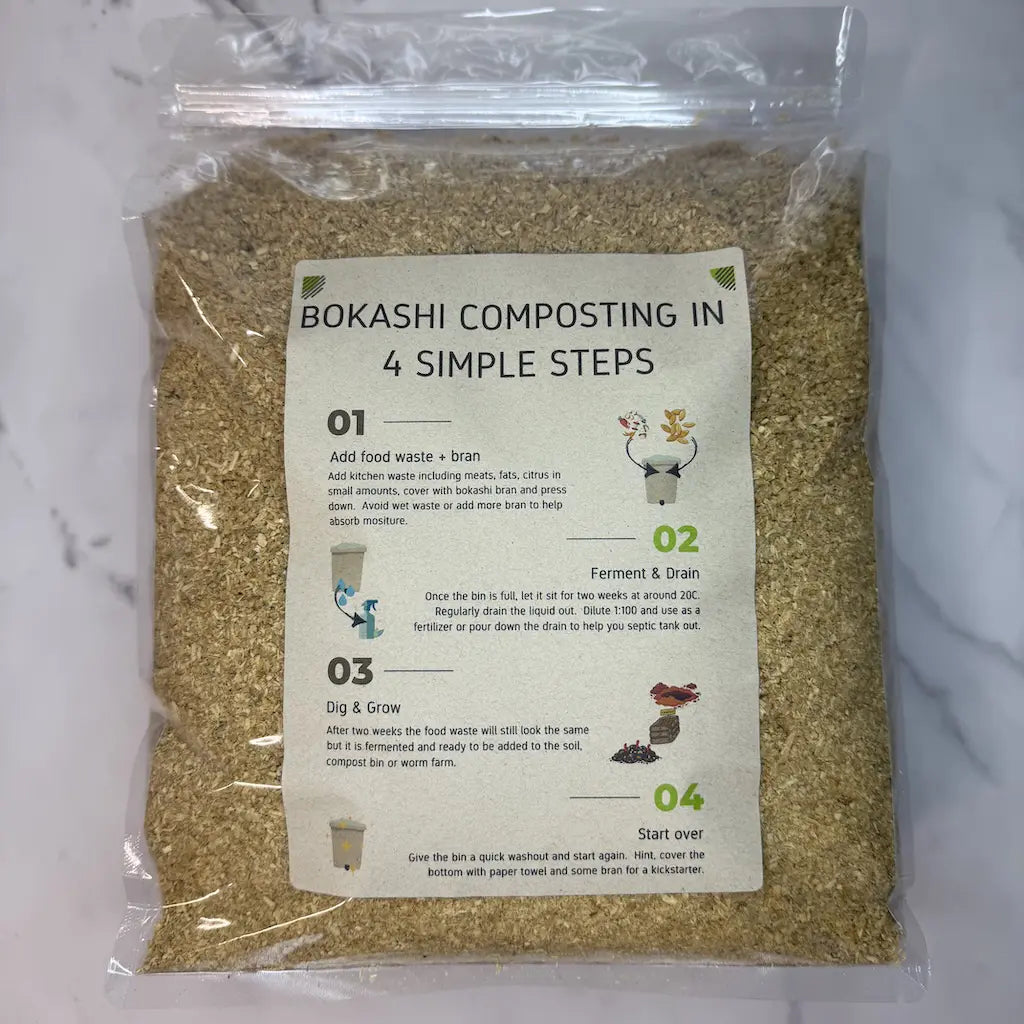
How do I use a Bokashi bin?
Download Our Bokashi In 4 Simple Steps GuideFollow the steps below for composting the Bokashi way:
- Add food scraps to the bin
- Sprinkle a handful of bokashi bran over the top, lightly covering the food scraps.
- Press down to compress and remove air
- Close the lid tightly after every use
- Drain off the liquid every few days, this depends on how moist or dry your food scraps are
- Once bin is full, let it ferment for two weeks (longer in winter)
- Bury the fermented leftovers in soil, add to the compost bin or worm farm
-
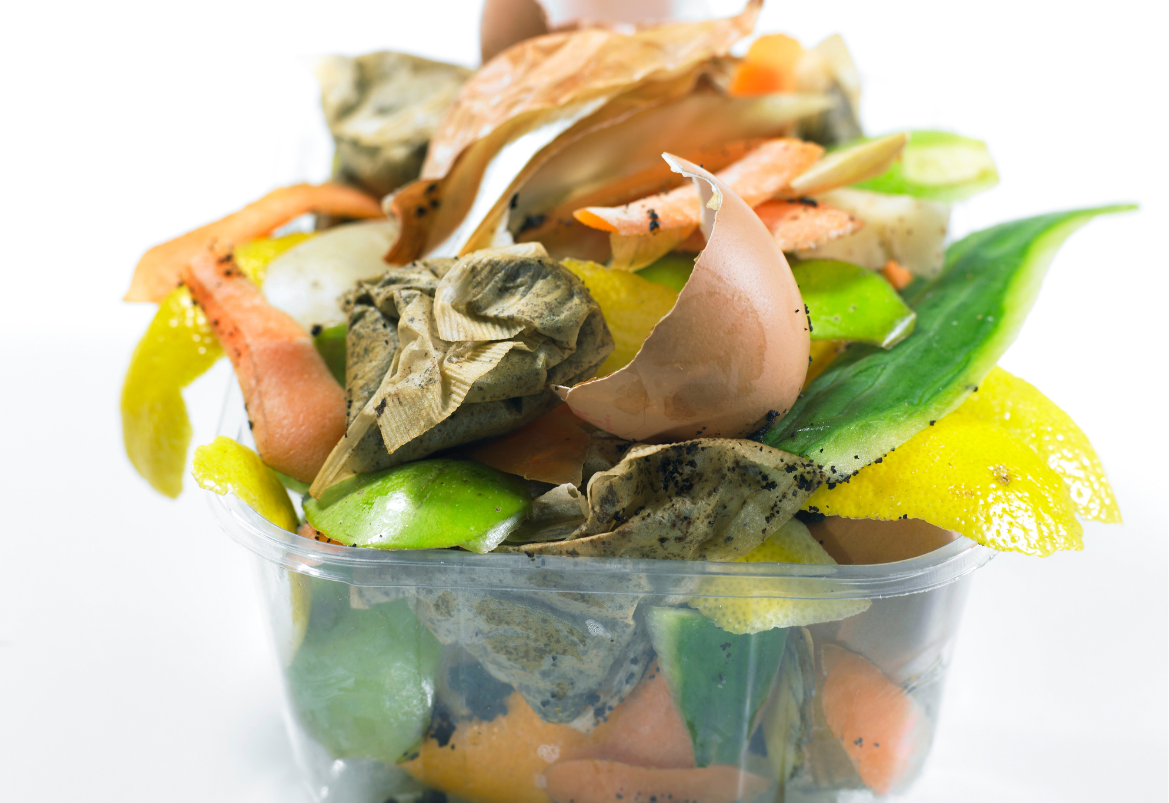
What can I put in a Bokashi bin?
Accepted:
- Fruit and vegetables
- Cooked leftovers
- Meat, fish, small bones
- Dairy products
- Bread & grains
- Coffee grounds, tea bags
Avoid:
- Rotten or mouldy food
- Excess liquid
- Large bones
- Non organic materials
-
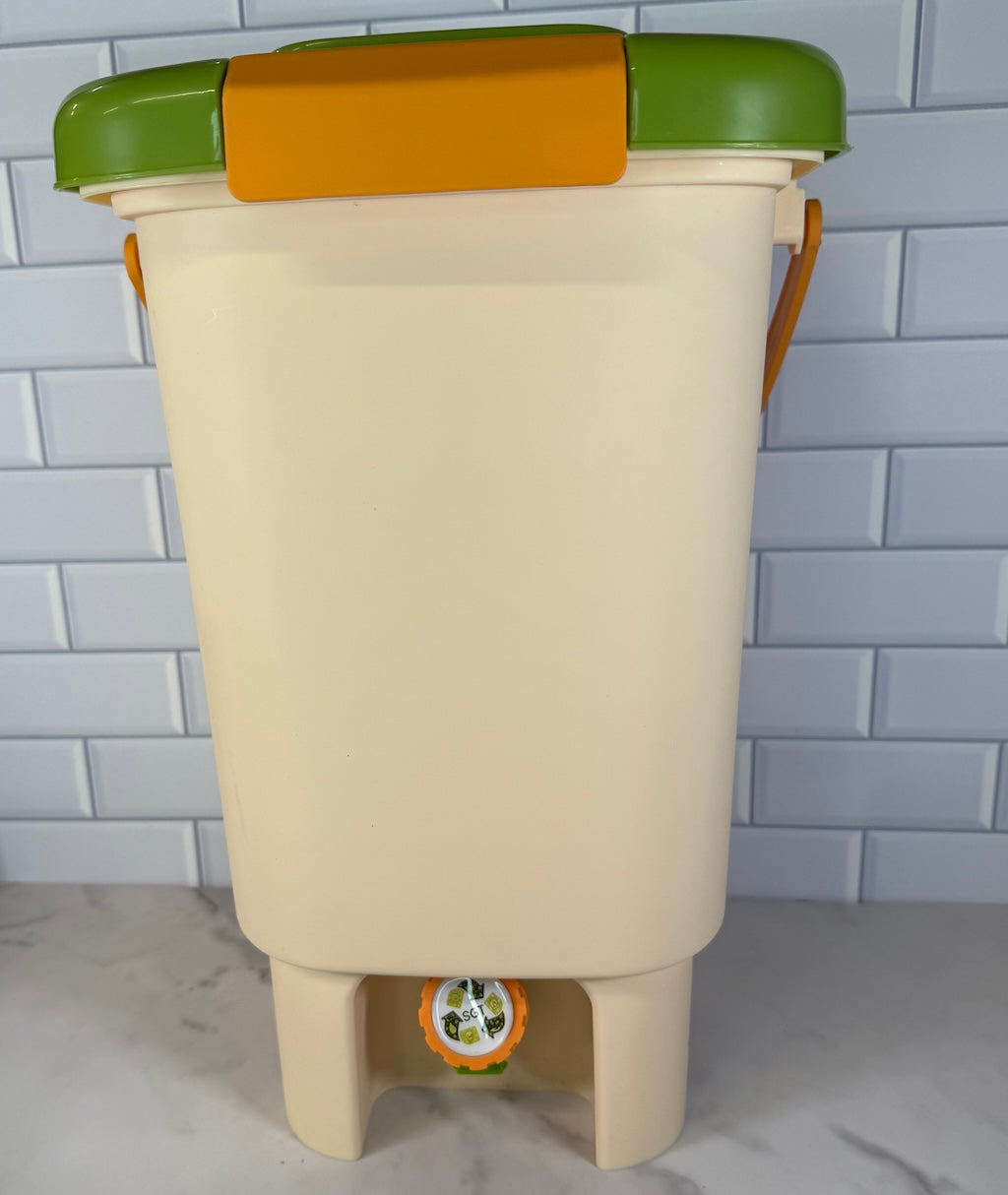
One Or Two Bins?
You can do Bokashi composting with just one bin however once the bin is full it has to sit and ferment for two weeks meaning your throwing away compost gold during that time.
This is why most people will have two bins and then cycle between the bins so that compost gold is always available and no food waste is going to the regular bin service.
⚠️ Troubleshooting
-
Why does my Bokashi bin smell bad?
A sour, fermented smell is normal.
If it smells rotten:
- Add more Bokashi bran
- Ensure liquid is drained off
- Press contents down firmly
- Ensure lid is fully sealed
-
What is the liquid that collects in the bin?
That’s Bokashi tea. Drain it every few days. Dilute (1:100) to use as plant fertiliser or pour down drains as a natural cleaner.
-
The contents look the same after two weeks?
Bokashi composting is different to regular composting, the food waste is not broken down at this stage but fermented. Its completely normal for the food to look almost the same as when it went in. You should notice white fluffy mould growing over the top if the process is working well.
-
How do I store the bran?
Keep the bran in the resealable bag and store in a dry dark place ideally less than 25C. Squeeze out any excess air anytime the bag is opened. Use within three months of the batch date. Signs of white mould is healthy. Green/Blue/Black mould is not heathy and affected areas should be removed as soon as possible, discard into the garden.
🌱 Additional Information
-
Can I compost during winter?
Yes! Either let the bin ferment for longer than two weeks- perhaps three to four weeks. Otherwise keep the bin indoors at room temperature. Microbial activity slows in the cold below 20C.
-
Is Bokashi safe for kids and pets?
Yes, but keep Bokashi tea and the bran stored safely. Always wash hands after handling.
-
I don't have a bin?
Make Your Own Bokashi BinYou can buy pre made bins (hint, we sell them!) or have a go at making your own.
-
DIY Bokashi Bran Kit Instructions
Instructions HereLooking for the instructions for the Do It Yourself Bokashi Bran Kit?
-
Need More Help?
Get in contact with us if you have any other questions, we are more than happy to answer questions and guide through the process.
Bokashi Composting and Supplies
-
Terra-Kashi: Organic supercharged mineral & microbial inoculant
Regular price $34.00Regular price$48.00Sale price $34.00Sale

Bokashi Composting and EM-1 FAQ
Downloadable content to help you Bokashi better!

