



In this Article:
- Introduction
- What Are Fermented Plant Extracts?
- Commonly Asked Questions
- How are FPEs different from liquid fertilisers?
- What plants are used to make Fermented Plant Extracts?
- What are plant tonics
- What are the benefits of using FPEs and tonics?
- Are Fermented Plant Extracts safe for food gardens?
- How do I use Fermented Plant Extracts?
- Can I combine FPEs with EM or other microbial products?
- Do Fermented Plant Extracts smell?
- Are FPEs suitable for beginners?
- Where Can I Learn More?
- Beginner Recipes
- Simple Fermented Plant Extract (FPE)
- Fermented Plant Extract with Effective Microbes (EM-1)
- Activated EM-1 (AEM)
- Troubleshooting & Practical Guide
- My ferment smells bad — what went wrong?
- There’s white film or foam on top — is that okay?
- My ferment stopped bubbling quickly
- Can I ferment different plants together?
- How strong should my dilution be?
- Can I use FPEs on seedlings?
- How do I store FPEs and Activated EM-1?
- Common beginner mistakes to avoid
- How to observe results
- Conclusion
Introduction to FPE
Inside, you’ll find a clear explanation of what fermented plant extracts are, how they work with soil biology, and why they’re valued for building long-term plant health rather than forcing quick growth. We cover beginner-friendly recipes, how to activate and use EM-based inputs, practical dilution rates, and a troubleshooting guide to help you understand fermentation signs like smell, foam, and activity. Whether you’re new to biological gardening or refining an existing living soil system, this guide is designed to give you the confidence to use fermented inputs effectively, safely, and in harmony with natural processes.
Fermented Plant Extracts (FPEs) and plant tonics are simple, time-tested tools used in natural farming, permaculture, and living soil systems to support healthy, resilient plants. Rather than feeding plants directly like conventional fertilisers, these inputs work by supporting the biological relationships between plants, microbes, and soil. When fresh plant material is fermented with sugars and beneficial microorganisms, nutrients, enzymes, organic acids, and plant compounds become more bioavailable and easier for plants and soil life to access.
These practices are especially valuable for gardeners and growers seeking low-input, regenerative solutions. They are affordable, adaptable, and forgiving, making them well suited to beginners while still offering depth for experienced growers. Results are often subtle but cumulative — healthier soil structure, improved plant recovery, and increased resilience across seasons.
At their core, fermented plant extracts are about working with natural processes. Fast-growing plants accumulate minerals, capture energy, and respond to local conditions. Through fermentation, those qualities are transformed into gentle liquid inputs that can help improve nutrient cycling, root development, plant immunity, and stress tolerance over time. Plant tonics built around FPEs, Effective Microorganisms (EM), and other biological inputs are designed to strengthen systems gradually, not force rapid growth.
This guide is designed to demystify fermented plant extracts and tonics. You’ll learn what they are, how they work, beginner-friendly recipes, how to activate and use EM-based inputs, and how to troubleshoot common fermentation issues. Whether you’re growing vegetables, fruit trees, herbs, or ornamentals, understanding these living inputs can help you build a more balanced, self-supporting garden system.

What are Fermented Plant Extracts (FPEs)?
Fermented Plant Extracts are liquid concentrates made by fermenting fresh plant material with a carbohydrate source (such as sugar or molasses) and bacteria such as Lactic Acid Bacteria (LAB) or Effective Microbes (EM-1) which contain LAB along with yeasts and phototropic bacterias.
Through fermentation, beneficial microbes break down the plant matter, making nutrients, enzymes, organic acids, and plant compounds more bioavailable to other plants.
Think of FPEs as plant-based probiotics and nutrient tonics for your garden.
Commonly Asked Questions
How are FPEs different from liquid fertilisers?
FPEs are not conventional fertilisers. Instead of delivering high levels of soluble nutrients, they:
- Feed and stimulate soil microbes
- Deliver plant-derived growth compounds
- Improve nutrient cycling and uptake
- Support plant immunity and stress tolerance
They work best as part of a living soil or regenerative gardening system, rather than as a standalone nutrient solution.
What plants are used to make Fermented Plant Extracts?
Many plants can be used, depending on the desired outcome. Common examples include:
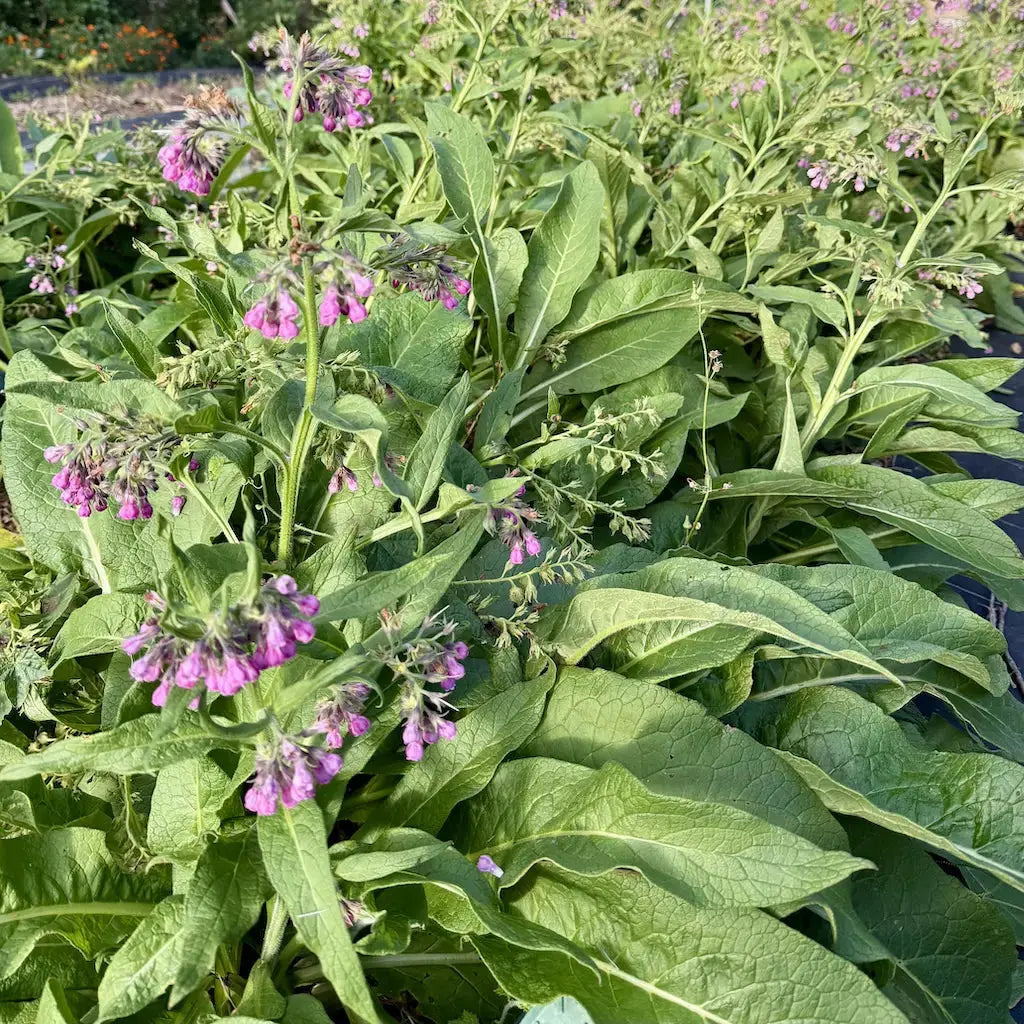
- Comfrey – potassium, calcium, and growth support
- Nettle – nitrogen, iron, and trace minerals
- Pumpkin - adds fruiting
- Seaweed – hormones, stress resistance, and trace elements
- Herbs (mint, basil, rosemary) – aromatic compounds and pest resilience
- Fast-growing local weeds – minerals adapted to your region
At Kai Kai Farm, we prioritise seasonal, locally relevant plant materials wherever possible.
What are plant tonics?
Plant tonics are gentle liquid inputs designed to support overall plant vitality rather than force rapid growth. They may include:
- Fermented plant extracts
- Microbial inoculants (such as EM)
- Mineral solutions
- Botanical teas
Tonics are ideal for ongoing plant care, recovery, and prevention, not just problem‑solving.
What are the benefits of using FPEs and tonics?
Regular use can help:
- Improve root development
- Increase nutrient efficiency
- Strengthen plant immunity
- Support flowering and fruiting
- Improve soil structure and biology
- Reduce plant stress from heat, cold, or transplanting
Results are usually subtle but cumulative — healthier plants over time, not overnight fixes.
Are Fermented Plant Extracts safe for food gardens?
Yes. When made and applied correctly, FPEs are safe for:
- Vegetable gardens
- Fruit trees
- Herbs
- Indoor and outdoor plants
They are commonly used in organic, permaculture, and natural farming systems.
How do I use Fermented Plant Extracts?
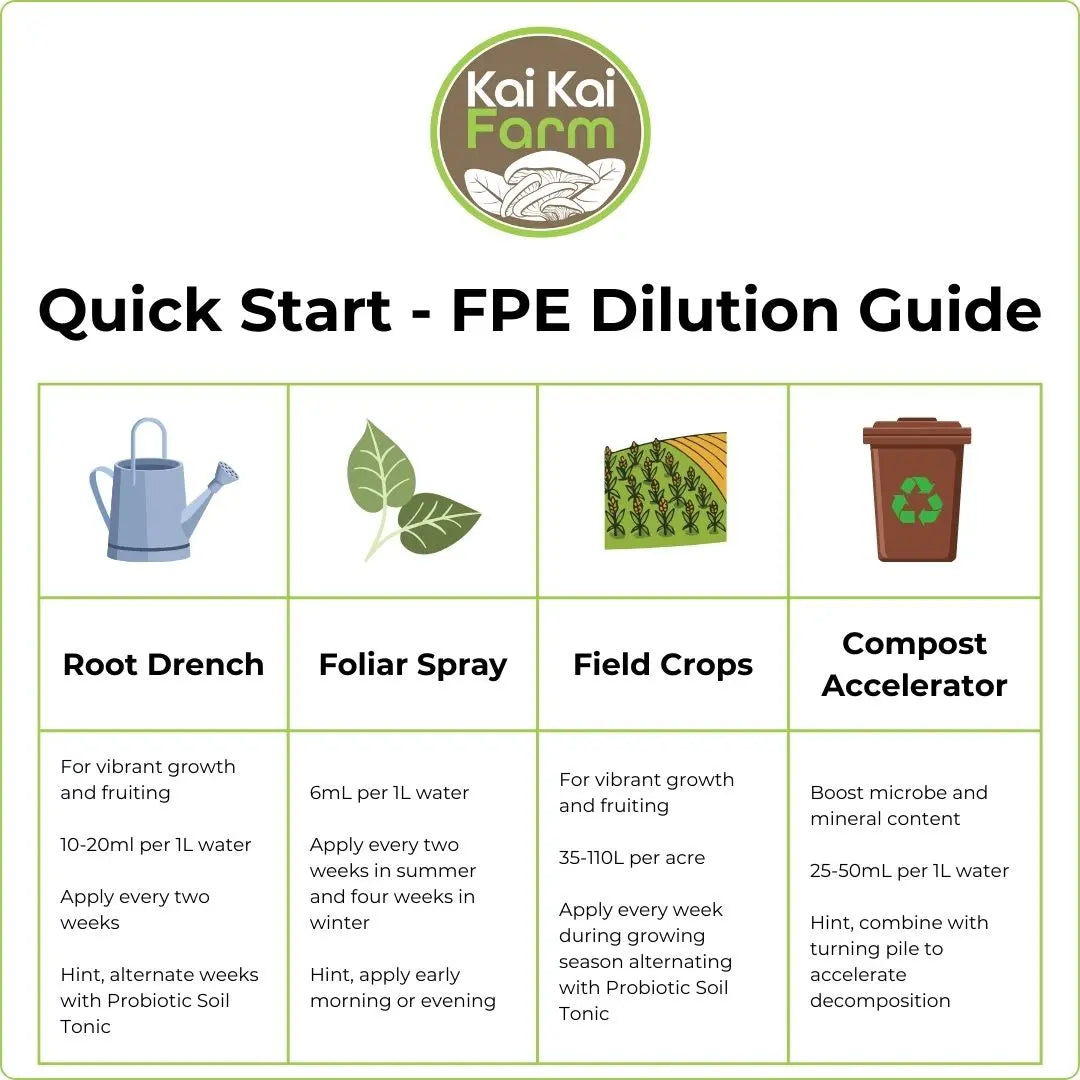
FPEs are always diluted before use. Typical application methods include:
- Soil drench: watered into the root zone
- Foliar spray: applied to leaves (early morning or late afternoon)
- Compost activation: added to compost or worm farms
A common dilution rate is 1:500 to 1:1000, but this can vary depending on the extract and plant type.
For general plant health:
- Every 2–4 weeks during active growth
- Alternate different FPEs or use Activated EM-1
- More frequently for stressed or recovering plants (at lower strength)
Consistency matters more than strength. Gentle, regular applications give the best results.
Can I combine FPEs with EM or other microbial products?
Yes — FPEs pair beautifully with microbial inputs such as EM‑1, bokashi liquids, or compost teas. The plant compounds feed microbes, and microbes help cycle nutrients back to plants.
Always test new combinations on a small area first and avoid mixing with harsh chemical inputs.
Do Fermented Plant Extracts smell?
Properly made FPEs have a sweet, tangy, or yeasty smell, not a rotten one. A foul odour usually indicates:
- Too much air exposure
- Incorrect sugar ratios
- Contamination
If it smells putrid, it’s best not to use it on plants.
Are FPEs suitable for beginners?
Absolutely. They are forgiving, low-cost, and intuitive to use. You don’t need perfect measurements — just clean tools, fresh plant material, and patience.
They’re an excellent entry point into natural gardening and fermentation-based inputs.

Where can I learn more or get started?
We share ongoing guides, products, and seasonal insights through Kai Kai Farm. If you’re just starting out, we recommend beginning with ready-made inputs and simple ferments before experimenting further.
Helpful products to explore:
- Activated EM-1 (AEM): A versatile microbial inoculant for soil, compost, plant tonics, and fermented extracts
- EM-1 Microbial Inoculant: The foundation culture used to activate EM and support fermentation
- Bokashi Bran & Bokashi Systems: Ideal for producing nutrient-rich bokashi liquid and closing the food waste loop
- Plant Care & Soil Health Kits: Curated tools for low-input, regenerative gardening
Fermented Plant Extracts & Tonics
-
Fermented Insect Frass Extract – Bio-Inoculant & Plant Immunity Booster
Regular price From $12.00Regular price -
Fermented Organic Comfrey Extract
Regular price From $11.00Regular price -
Fermented Organic Pumpkin Extract
Regular price From $11.00Regular price -
Fermented Organic Seaweed Extract
Regular price From $14.00Regular price


Recipe #1: Simple Fermented Plant Juice (FPJ) - This is a gentle, beginner-friendly recipe using common garden plants based on Korean Natural Farming (KNF).
-

You’ll need:
- Fresh green plant material (comfrey, nettle, weeds, herbs) ideally harvested just before dawn
- Raw or brown sugar, or molasses
- Non-chlorinated water (or let tap water sit for 24 hours)
- A clean jar or bucket with a loose-fitting lid. Tip: Beer brewing containers with airlocks work really well and are normally available for cheap second hand
-

Method:
- Chop plant material into small pieces
- Weigh or loosely measure the plant material
- Add sugar at roughly a 1:1 ratio by weight (or enough to coat thoroughly)
- Mix well until juices begin to release
- Pack loosely into your container
- Add water to cover and then add the lid (do not seal airtight)
- Ferment in a cool, shaded place for 7–14 days, stirring occasionally
-

When ready:
- Liquid will be dark and aromatic
- Strain and store the liquid
- Compost the solids
-

How to use:
- Dilute 1:500–1:1000 for soil drench or foliar spray


Beginner Recipe #2: Fermented Plant Extract with Effective Microbes (EM-1) - Adding EM-1 introduces additional beneficial microbes in the form of yeasts and phototrophic bacteria and stabilises the fermentation.
Shop Fermented Plant Extracts-
You’ll need:
- Fresh green plant material (comfrey, nettle, weeds, herbs) ideally harvested before dawn
- EM-1
- Molasses (ideally Blackstrap & no sulphur)
- Non-chlorinated water (or let tap water sit for 24 hours)
- A clean jar or bucket with a loose-fitting lid. Tip: Beer brewing containers with airlocks work really well and are normally available for cheap second hand
-
Method:
- Fill container halfway with chopped plant material
- Add water to cover
- Optional: Add a weight like a brick or rock to weigh down the plant material
- Add 1–2 tablespoons molasses per litre of water
- Add 1–2 tablespoons EM-1 per litre of water
- Stir gently
- Cover loosely
- Ferment for 14-28 days in a shaded area
-
When ready:
- Do a smell check Sweet, sour, or yeasty = good. Rotten or putrid = discard
- If you have a pH tester then check if the pH is at or below 3.5
- Store in a cool dark place
-
How to use:
- Dilute 1:500–1:1000 for soil drench or foliar spray
Beginner Recipe #3: Activated EM-1 (AEM) - Activated EM-1 extends your EM-1 supply and is the base for many tonics.
Shop Activated EM-1 & FPE-
You’ll need:
- 500mL EM-1 Microbial Inoculant. Tip, you can half the amount of EM-1 and Molasses once you have experience fermenting and ensure the container and lid are sterile before use
- 500mL Unsulphured molasses, preferably blackstrap
- 9L Non-chlorinated water or let tap water sit for 24 hours
- Airtight bottle or jerry can. Tip: Beer brewing containers with airlocks work really well and are normally available for cheap second hand
- 500mL EM-1 Microbial Inoculant. Tip, you can half the amount of EM-1 and Molasses once you have experience fermenting and ensure the container and lid are sterile before use
-
Method:
- Add molasses to warm (not hot) water and dissolve. Tip, use boiling water to dissolve the molasses and wait till the liquid has cooled until you can hold your hand comfortably on the side of the container
- Add the EM-1 and mix well
- Top up with water if required and then ssseal container airtight
- Store at room temperature for 14–21 days. Release builtup pressure by opening the lid slightly every few days.
- Add molasses to warm (not hot) water and dissolve. Tip, use boiling water to dissolve the molasses and wait till the liquid has cooled until you can hold your hand comfortably on the side of the container
-
When ready:
- The liquid will have changed to a orange brown colour
- Do a smell check Sweet, sour, or yeasty = good. Rotten or putrid = discard
- If you have a pH tester then check if the pH is at or below 3.5
- Store in a cool dark place
- Best benefits if used within 7 days. Use within 30–60 days once activated
-
How to use:
- Dilute 1:500–1:1000 for soil drench or foliar spray
- Further ferment into bokashi bran or FPEs

Fermented Organic Comfrey Extract




Troubleshooting & Practical Guide
Fermentation is a living process. Small variations are normal, but the cues below will help you understand what’s happening and how to respond.
Collapsible content
My ferment smells bad — what went wrong?
If it smells rotten, putrid, or like sewage:
- Too much air exposure
- Not enough sugar or molasses
- Container wasn’t clean
- Temperature too high
What to do:
- Discard the liquid (don’t apply to plants)
- Clean container thoroughly
- Increase sugar or molasses next time
- Keep ferment shaded and cooler
There’s white film or foam on top — is that okay?
Yes, usually.
- White foam or thin film: Often harmless yeast activity
- White fuzzy mould: Usually okay if smell is pleasant
- Green, black, or colourful mould: Discard
When in doubt, trust your nose.
My FPE stopped bubbling quickly
This is normal. Fermentation activity often peaks in the first few days and then slows as sugars are consumed.
As long as the smell remains pleasant, the extract is usable.
Can I ferment different plants together?
Yes. Mixed plant ferments are common and effective.
General guidelines:
- Avoid woody or tough material
- Prioritise fast-growing green plants
- Use young leaves, stems and flowers
- Chop finely for better extraction
You can also ferment single plants separately to learn their individual effects.
How strong should my dilution be?
When unsure, dilute more, not less.
- Healthy plants: 1:500–1:1000
- Young or stressed plants: 1:1000–1:2000
Gentle, repeated applications outperform strong, infrequent ones.
Can I use FPEs on seedlings?
Yes, with caution.
- Use very weak dilutions
- Apply to soil, not directly to leaves
- Observe plant response before repeating
How do I store FPEs and Activated EM?
- Store sealed
- Keep out of direct sunlight
- Cool, stable temperatures are best
FPEs: several months if kept clea
Activated EM-1: best within 30–60 days
If smell changes negatively, discard.
Common beginner mistakes to avoid
- Sealing containers airtight too early (for non-EM ferments)
- Using chlorinated water
- Overapplying undiluted extracts
- Expecting rapid, fertiliser-like results
FPEs work gradually by improving biological systems.
How to observe results
Look for subtle changes over time:
- Improved leaf colour
- Faster recovery from stress
- Better root growth
- Increased resilience to heat or pests
Observation is the most valuable tool you have.

Conclusion
Fermented plant extracts and plant tonics invite us to slow down and work alongside the natural systems already supporting our gardens. By nourishing soil life and strengthening plant resilience, these living inputs help create growing spaces that are more balanced, adaptable, and alive.
You don’t need to do everything at once — start with one simple ferment, observe how your plants respond, and build from there. Over time, these small practices can become part of an intuitive, seasonal rhythm that supports both your garden and the soil beneath it.
If you’re looking for simple ways to begin or refine your approach, Kai Kai Farm offers resources and thoughtfully selected products to support biological gardening and fermentation-based inputs. Wherever you are on your growing journey, we hope this guide encourages curiosity, confidence, and a deeper connection to the living processes that make healthy plants possible.