



Autoclavable Mushroom Grow Bags
Autoclavable Mushroom Grow Bags
5.0 / 5.0
(1) 1 total reviews
Couldn't load pickup availability
One bag failure in the steriliser can take out an entire batch. We source ours 30% thicker so it doesn’t.
Contamination is the number one enemy of every mushroom grower — hobbyist or commercial. The quality of your grow bag is the last line of defence between a clean colonisation and a bin full of green mould. Our polypropylene grow bags are built to 0.08mm thickness — 30% heavier than the 0.06mm industry standard — and fitted with a 0.2-micron filter patch for gas exchange that actually blocks contaminants rather than just slowing them down.
Four sizes. Six quantity tiers from 10 to 1000. Fully autoclavable and pressure-cooker safe. Tested on our own farm on Tamborine Mountain before we sell them to yours.
Which size is right for you?
| Size |
Dimensions (cm) |
Capacity (KG) |
Filter patch (mm) |
Best for | Industry ref. |
|---|---|---|---|---|---|
| Small | 13×12×45 | 0.5–2.0 | 38×38 | Grain spawn, PF Tek jars, small fruiting blocks | ~ Unicorn 14T |
| Medium Clear | 20×12×50 | 2–2.5 | 38x38 | All-purpose fruiting blocks, oyster, shiitake, lion’s mane, king oyster | ~ Unicorn 3T |
| Medium Black | 20×12×50 | 2–2.5 KG | 38x38 | Light-sensitive species, prevents side-pinning, cleaner aesthetics in fruiting chambers | — |
| Large | 25×14×65 | 2.5–5 | 83x50 | Bulk fruiting substrate, commercial blocks, high-volume production | ~ Unicorn XLS-A |
What makes these bags different
0.08mm polypropylene
30% thicker than standardMost grow bags on the market are 0.06mm. The extra 0.02mm is the difference between a bag that survives a loaded autoclave run and one that develops micro-tears under heat and pressure — allowing contaminants in before colonisation even begins. Thicker walls also mean less risk of puncture during filling, handling and transport.
0.2-micron filter patch
The contamination barrier that mattersThe filter micron rating is the most important spec on any grow bag — and most Australian sellers get it wrong. A 0.5-micron filter (the common alternative) allows particles up to 2.5× larger to pass through, including many mould spores and bacterial cells. Our 0.2-micron filter provides genuine protection while still allowing adequate CO² outgassing and O² exchange during colonisation.
Autoclave & pressure cooker rated
Rated to 121°C sustainedFood-grade polypropylene remains structurally stable through standard sterilisation cycles — 15 PSI / 121°C for 90–120 minutes. The bags won’t melt, warp or delaminate at the filter seam. Compatible with domestic pressure cookers as well as commercial autoclaves.
Gusseted base design
Stands upright when filledThe side-gusseted base gives the bag a stable footprint once filled, making it easier to handle during loading, sterilisation and inoculation. The bottom seal is heat-bonded for strength — no split seams under substrate weight or autoclaving pressure.
Clear polypropylene (and black option)
Monitor growth without openingClear bags let you observe colonisation progress, spot contamination early and time your fruiting transition without breaking sterility. Black medium bags serve a different purpose — blocking light to prevent unwanted side-pinning in species that fruit in response to light cues, giving you cleaner, more directional fruiting.
Scales from hobby to commercial
10 to 1000 bags per orderWhether you’re running a single pressure cooker grow or a commercial autoclave farm, we stock the quantities that make sense for your operation. Per-bag cost drops significantly at 500 and 1000, making scale genuinely affordable without committing to a full pallet from an overseas supplier.
What you’ll notice
- Bags surviving autoclave and pressure cooker runs without deformation, split seams or filter damage
- Faster, cleaner colonisation with fewer contamination events compared to lower-spec bags
- Full visual monitoring of mycelium progress through clear walls without breaking sterility
- Bags standing upright during loading — no collapsing, tipping or spilling substrate
- Directional fruiting in black bags, with significantly reduced unwanted side-pinning
- Consistent results batch after batch — the reliability that commercial production depends on
Why 0.2 micron vs 0.5 micron is not a minor difference: A micron (μm) is one millionth of a metre. Trichoderma spores — the green mould that destroys more mushroom grows than anything else — range from 3–5 microns in diameter. At first glance, both 0.2 and 0.5 micron filters block them. The problem is real-world filter performance, not ideal conditions. Filters are rated for nominal particle retention, not absolute — meaning a 0.5-micron filter may allow smaller particles, deformed spores, and bacterial cells (0.2–2 microns) to pass under positive pressure during bag handling or gas exchange. A 0.2-micron filter provides a meaningful additional safety margin, particularly important during long colonisation runs in non-sterile environments, or when your ambient contamination pressure is high.
And why thickness is a contamination issue, not just a durability one: Micro-tears in thin polypropylene — too small to see but large enough to bypass the filter — are one of the most common and least-diagnosed sources of post-sterilisation contamination. Extra wall thickness dramatically reduces the incidence of micro-tears during filling, handling and sterilisation. It’s not just about bags surviving the autoclave. It’s about maintaining sterility for the entire colonisation period.
How to use your grow bags
Loading → sterilising → inoculating → colonising
Loading & sealing
Sterilising
Grain spawn
90–120 minutes at pressure
Bulk substrate (hardwood/straw)
60–90 minutes at pressure
Inoculating & colonising
Choosing your quantity
Per-bag cost drops at every tier — order for your current operation, not just this grow.
| Quantity | Who it’s for |
|---|---|
| 10 | First-time growers, single-species trial runs, testing a new substrate mix |
| 25 | Regular hobbyist growing 1–2 species, small kitchen grows |
| 50 | Serious hobbyist with a dedicated grow space, running multiple species simultaneously |
| 100 | Semi-commercial grower, local market or restaurant supply, consistent monthly production |
| 500 | Established commercial operation, multiple autoclave runs per week — meaningful per-bag savings |
| 1000 | High-volume commercial farm — lowest per-bag cost, stock for 3–6 months without reordering |
Storage
Full specifications
| Material | Food-grade polypropylene (PP) |
| Wall thickness | 0.08mm (30% thicker than industry standard 0.06mm) |
| Filter rating | 0.2 micron (μm) — all sizes |
| Filter patch size — Small | 38×38mm |
| Filter patch size — Medium | 38mm × 38mm |
| Filter patch size — Large | 83mm × 50mm |
| Temperature rating | Sustained 121°C / 15 PSI (autoclave and pressure cooker safe) |
| Base design | Side-gusseted, heat-bonded bottom seal |
| Sealing method | Heat sealer (impulse sealer), heavy-duty cable ties or bag clips |
| Available quantities | 10 / 25 / 50 / 100 / 500 / 1000 bags per order |
The Kai Kai Farm story
We didn’t start selling grow bags because we found a cheap supplier. We started selling them because we couldn’t find bags good enough for our own production on Tamborine Mountain — and once we sourced them, other growers started asking where they came from.
Every batch we stock goes through our own growing operation first. We run the same bags through our autoclaves, fill them with our own grain spawn and substrate, and colonise them in our own fruiting chambers before they end up in your hands. If a batch doesn’t perform on our farm, it doesn’t go on the shelf.
Founded by Quintin and Amy in the Scenic Rim, Kai Kai Farm supplies hobbyist and commercial growers across Australia. When you buy our bags, you’re buying what we trust in our own production. That’s the only standard we’re interested in.


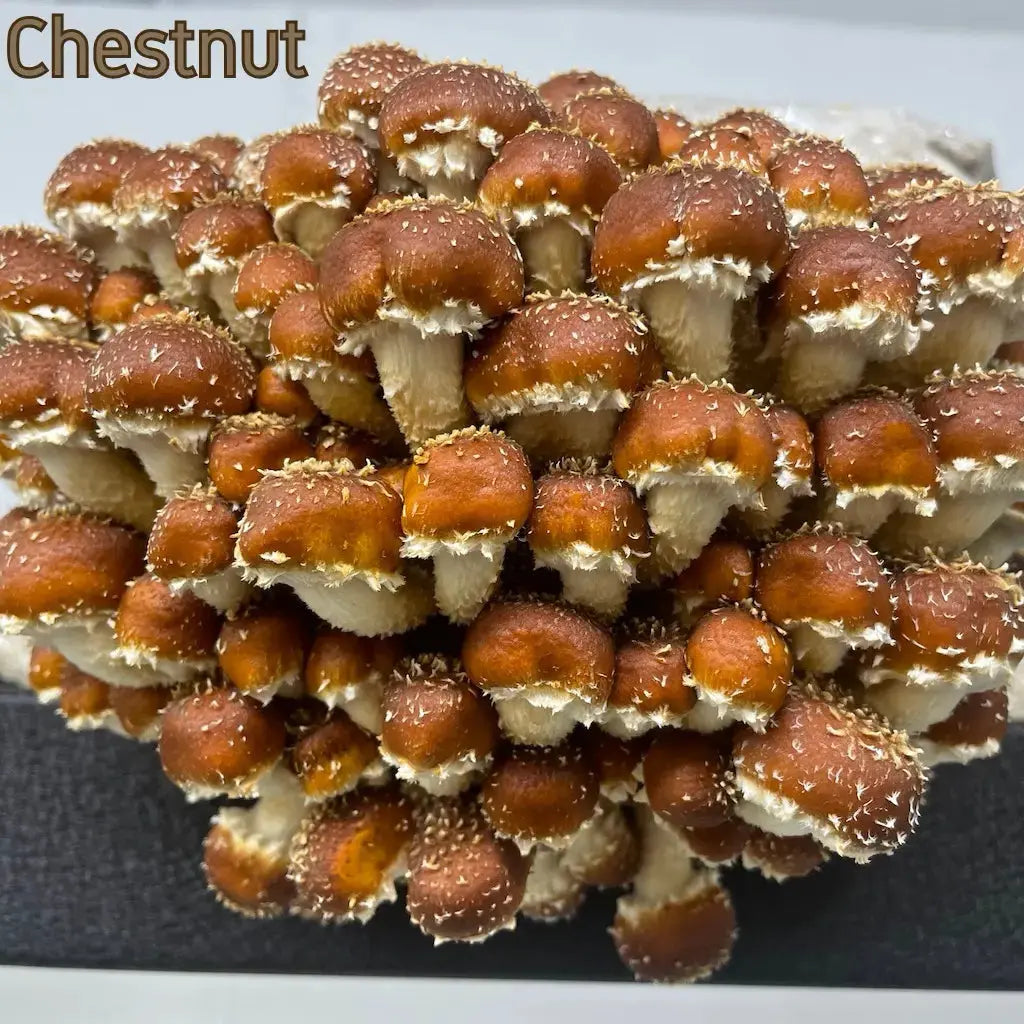

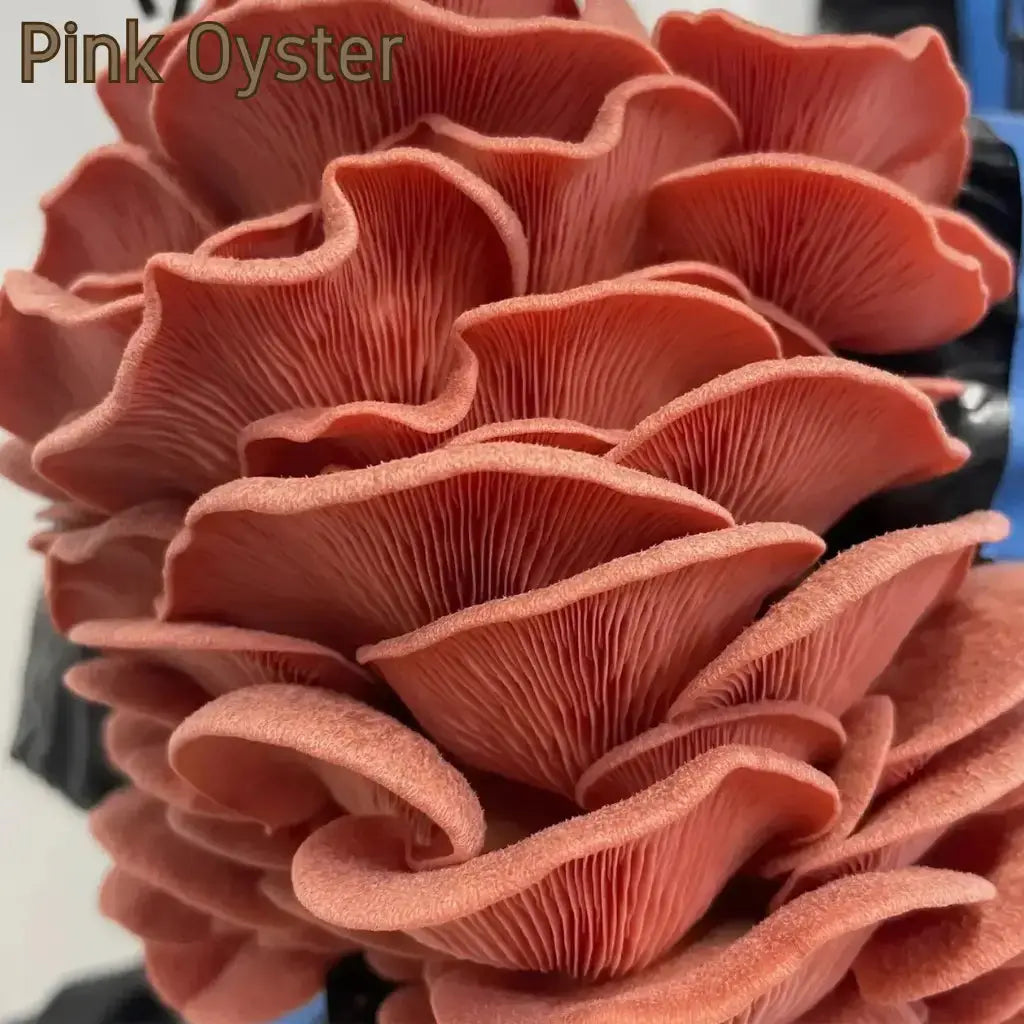

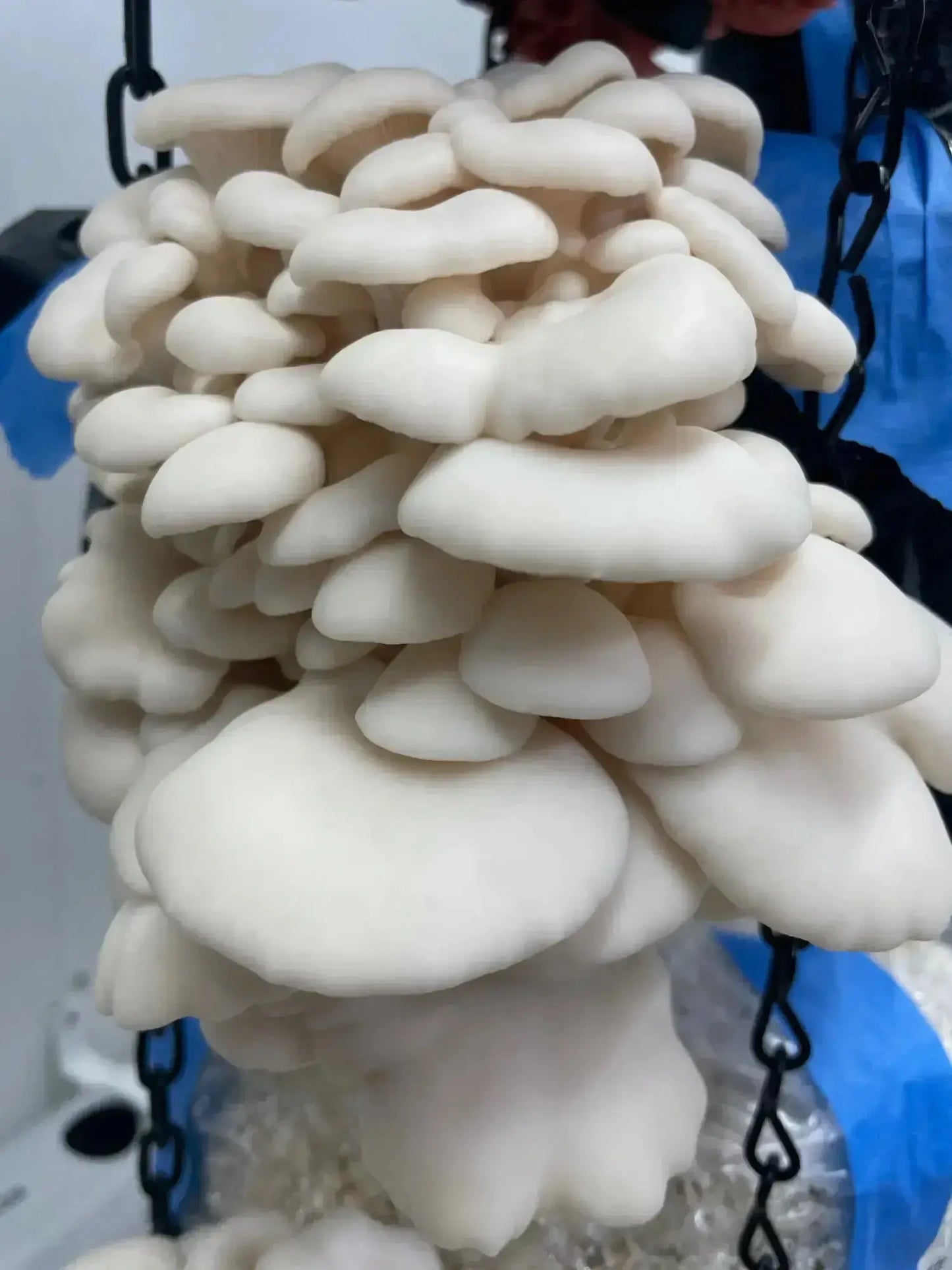


Hand-Grown on Tamborine Mountain
At Kai Kai Farm, we don't just sell kits and tonics—we use them every day. Founded by Quintin and Amy in the heart of the Scenic Rim, our mission is to make professional-grade mushroom cultivation and sustainable gardening accessible to everyone. From our no-spray gourmet mushrooms to our bio-active soil health range, every product is tested right here on the farm to ensure your growing journey is a success. When you shop with us, you’re supporting a local family business dedicated to a greener, more delicious planet.