



Pre-Sterilised Mushroom Substrate Bags
Pre-Sterilised Mushroom Substrate Bags
Couldn't load pickup availability


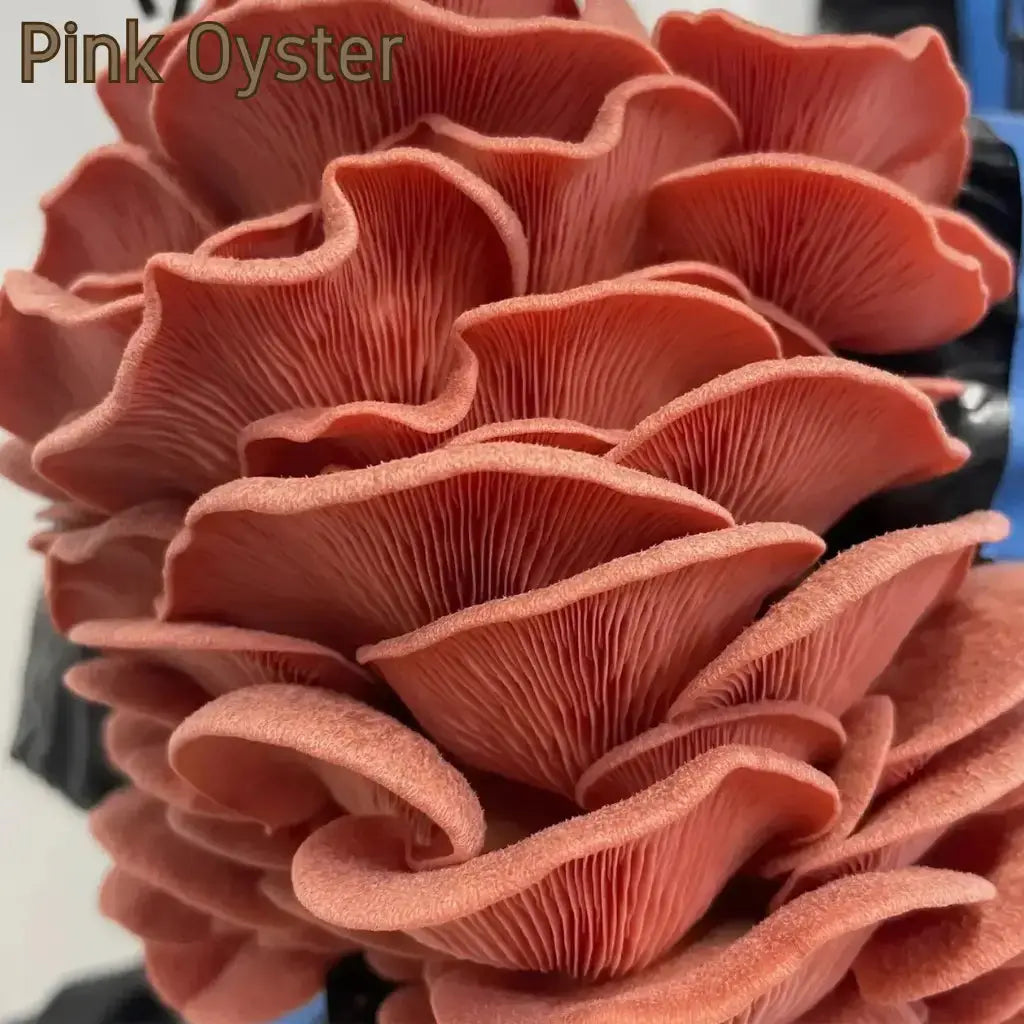


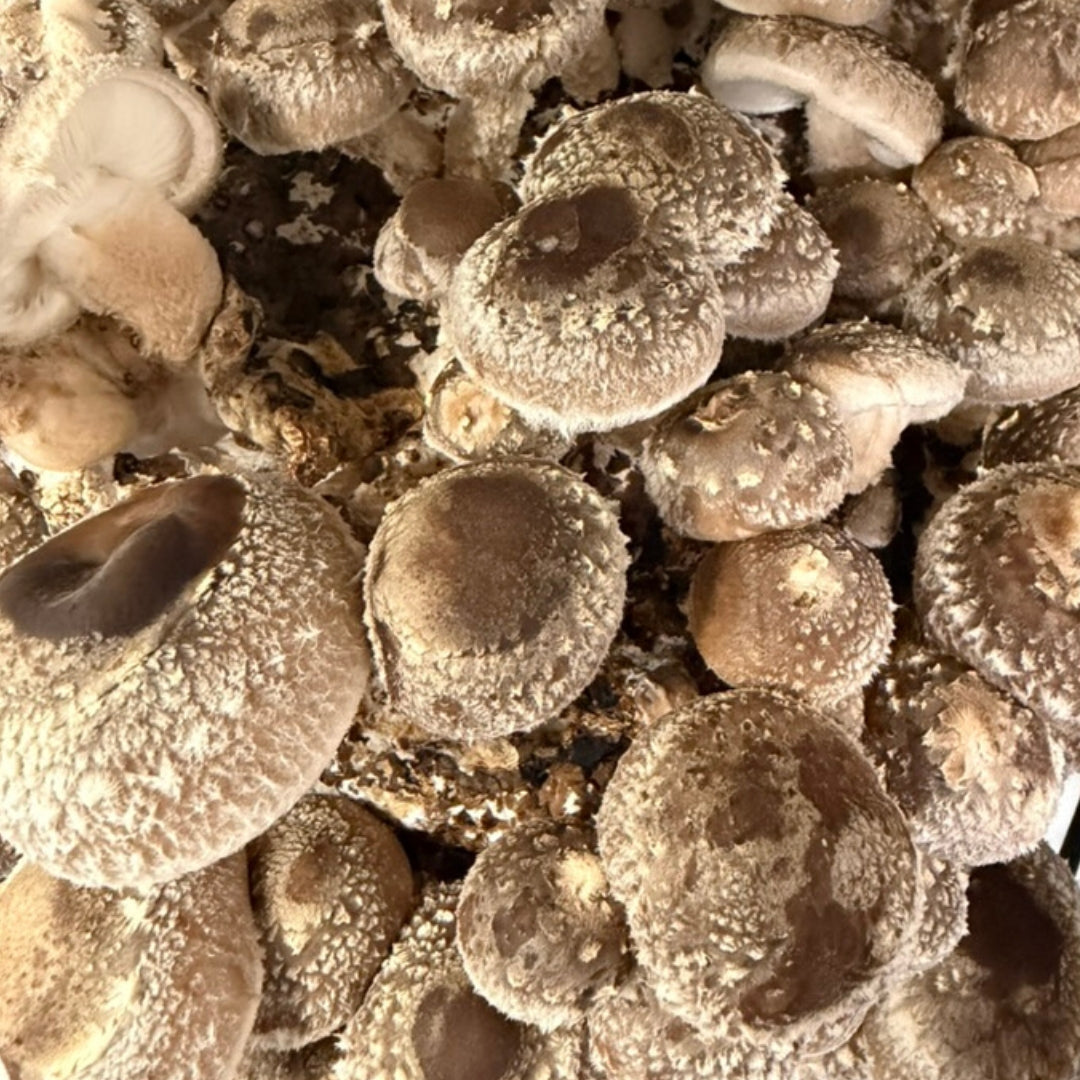

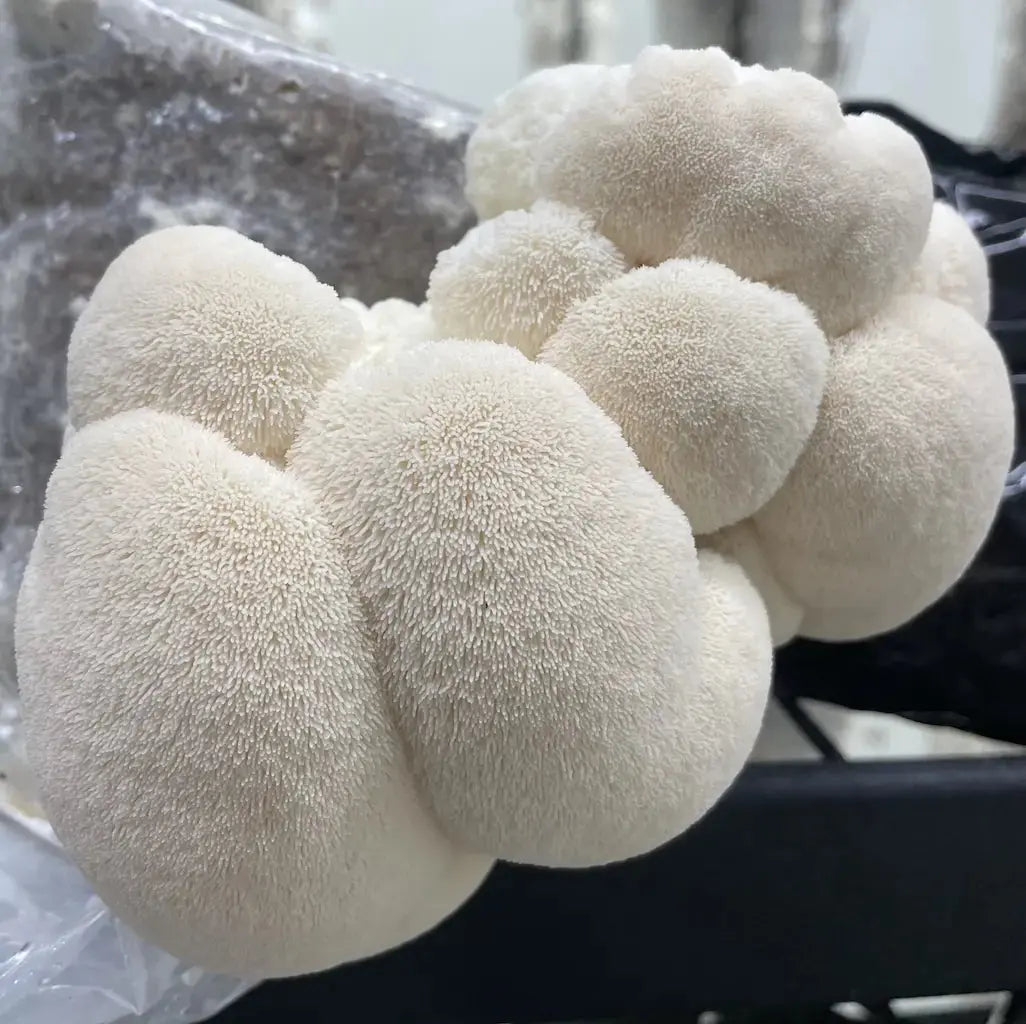
Pre-Sterilised Mushroom Substrate Bags — Open, Spawn, Shake, Grow
No autoclave. No three-hour pressure cycle. No hydrating, weighing or guessing. Our Pre-Sterilised Substrate Bags arrive hydrated to field capacity and sterilised in a commercial autoclave, sealed in a heat-resistant grow bag with a breathable 0.2 micron filter patch. Open the bag, add your grain spawn, seal it and shake — that's the whole process. Choose from Masters Mix, Masters Mix (Lupin), or Hardwood & Organic Wheat Bran in two supplementation levels, all at 2.2KG finished weight.
Made and Dispatched in Queensland
Sterilised substrate is a perishable product pretending not to be — every extra day in transit is more moisture lost through the filter and another opportunity for a contaminant to find it. Ours are made on Tamborine Mountain and dispatched from the Scenic Rim, so Brisbane, Gold Coast, Sunshine Coast and Toowoomba orders spend the least possible time in a courier van, and wider Queensland is rarely far behind.
Choose Your Substrate
Masters Mix The Standard
A 50/50 blend of Australian hardwood sawdust and soy hull pellets — the benchmark bulk substrate for wood-loving gourmet species. Sawdust supplies structural carbon and lignin, soy hulls supply nitrogen and fine surface area, and the combination produces a fast, heavy first flush. Best for all Oyster varieties, Lion's Mane, Chestnut, King Oyster, Coral Tooth, Nameko, Maitake and Reishi.
Masters Mix (Lupin) Soy Free
The same 50/50 structure with Australian-grown lupin hull pellets in place of soy. Lupin hulls carry more protein and fermentable fibre, and growers running side-by-side trials report a modest yield lift over a soy-based mix across multiple flushes. It's also a fully domestic supply chain — soy hull pellets are prone to running dry in Australia mid-season. Same species range as the standard Masters Mix.
Hardwood & Bran 80/20 Wood Lovers
80% Australian hardwood sawdust to 20% organic wheat bran. Masters Mix is deliberately rich, and some species don't want that — Shiitake, Turkey Tail, Enoki and Wood Ear evolved on wood, and over-supplementation gives you deformed fruit bodies, stalled pins and a block that contaminates rather than colonises. This is the correct bag for them.
Hardwood & Bran 90/10 Lean & Slow
90% hardwood sawdust to 10% organic wheat bran — the leanest option we make. Long-cycle Shiitake, Turkey Tail and medicinal grows benefit from a slower, less nutritious run: the block holds structure through more flushes, and there's less spare nutrition sitting around for competitors to find. The safer pick for colonising in a warm shed through a Queensland summer.
What You'll Notice
- ✓ No autoclave or pressure cooker needed — every bag arrives sterilised and ready to spawn
- ✓ Hydrated to field capacity — no weighing water or squeeze-testing for moisture
- ✓ 0.2 micron filter patch for clean gas exchange right through colonisation
- ✓ Dispatched from Queensland — the shortest transit time available to QLD growers
- ✓ Four formulations in one listing — a mixed-species grow is a single order
- ✓ Consistent batch-to-batch ratios — no variation between your bags
- ✓ Colonise and fruit in the same bag, or break the block out into a monotub or bucket
The Science
Supplemented substrate is a race. Adding nitrogen-rich material — soy hulls, lupin hulls, bran — dramatically increases what mycelium can pull out of a block, but it feeds moulds and bacteria just as readily. Above roughly 20% supplementation, pasteurisation is no longer enough; the substrate has to be genuinely sterilised or you're building a better home for Trichoderma than for your culture. Each bag is autoclaved at 121°C / 15 PSI, with hold time scaled to the bag's finished weight so heat penetrates fully to the core of the substrate mass rather than just the outer layer. We add 3% by weight of calcium sulphate (gypsum) and calcium carbonate (chalk) — gypsum improves substrate structure and stops the mass compacting as mycelium runs through it, and chalk buffers pH toward the slightly alkaline range gourmet species prefer, quietly disadvantaging the bacterial and mould competitors that favour acidic conditions.
How To Use
| Step | What To Do |
|---|---|
| Prepare 1 | Work inside a still air box or in front of a flow hood, in a room with no air movement. Wipe the outside of the bag and your hands with 70% isopropyl alcohol. Have your fully colonised grain spawn broken up and ready. |
| Spawn 2 | Open the bag and add grain spawn at 2.5–5% of substrate weight — that's 55g to 110g per 2.2KG bag. Higher spawn rates colonise faster and outrun contaminants, so lean toward 5% if you're new, working in a warm room, or running a slower species. |
| Seal & Shake 3 | Close the bag (impulse sealer, bag clip, or a tightly taped fold), then shake and massage until the spawn is evenly distributed all the way through. Even distribution is the single biggest lever on colonisation speed. |
| Incubate 4 | 21–24°C, dark, out of direct sunlight, filter patch unobstructed, bags spaced apart so they don't heat each other. Expect 14–21 days to full colonisation — Oysters and Reishi at the fast end at 14 days, most species around 21 days and Shiitake considerably slower at 70-84 days. |
| Fruit 5 | Once fully colonised and consolidated, cut the bag and introduce fruiting conditions — high humidity, fresh air exchange and light. Fruit in the bag, or break the block out into a monotub or bucket. |
Airflow matters more than darkness. If bags sit in still air with no circulation, CO₂ builds up faster than the filter patch can vent it. The mycelium stresses, slows, and shifts substrate pH in a direction that makes contamination easier. Give the bags room and some air movement around them.
Storage & Safety
Use as soon as possible after delivery — these are made to order and are at their best fresh. If you need to hold them, store at room temperature in a cool, dark, dry place out of direct sunlight, and don't refrigerate an uncolonised bag. Keep the filter patch dry and unobstructed at all times; a wet filter is an open door for contaminants. This product is intended for mushroom cultivation only and is not for human or animal consumption. Keep away from children and pets. If a bag arrives torn, punctured, or with a damaged or wet filter patch, photograph it and contact us before spawning — sterility cannot be assured once the seal is compromised. Sterile technique at the point of spawning is the grower's responsibility; a sterile bag opened in a dusty room won't stay sterile.
Specifications
- Finished weight: 2.2KG per bag, hydrated to field capacity
- Masters Mix: 50% Australian hardwood sawdust, 50% Australian soy hull pellets
- Masters Mix (Lupin): 50% Australian hardwood sawdust, 50% Australian lupin hull pellets
- Hardwood & Organic Wheat Bran 80/20: 80% Australian hardwood sawdust, 20% organic wheat bran (Best for Reishi & Shiitake)
- Hardwood & Organic Wheat Bran 90/10: 90% Australian hardwood sawdust, 10% organic wheat bran (Best for Turkey Tail)
- Amendments: 3% by weight calcium sulphate (gypsum) and calcium carbonate (chalk), all variants
- Bag type: Heat-resistant polypropylene grow bag with 0.2 micron breathable filter patch
- Sterilisation: Autoclaved at 121°C / 15 PSI, hold time scaled to bag size
- Spawn rate: 2.5–5% by weight — 55g to 110g of grain spawn per bag
- Inoculation: Open, add grain spawn, seal and shake. Grain spawn not included.
- Origin: Made on Tamborine Mountain, Queensland, from Australian-grown inputs
Hand-Prepared on Tamborine Mountain
Kai Kai Farm is a family-run organic farm in Queensland's Scenic Rim, founded by Quintin and Amy. These are the same substrate bags we run our own commercial blocks on — same formulations, same batches. We're not reselling someone else's substrate; we're sharing ours. When you buy from us, you're supporting a small local business focused on accessible, science-backed mushroom cultivation.

