

Australian Hardwood Pellets (HWFP) for Mushroom Substrate
Australian Hardwood Pellets (HWFP) for Mushroom Substrate
Couldn't load pickup availability
Every serious mushroom grower eventually lands on hardwood pellets. Here’s why.
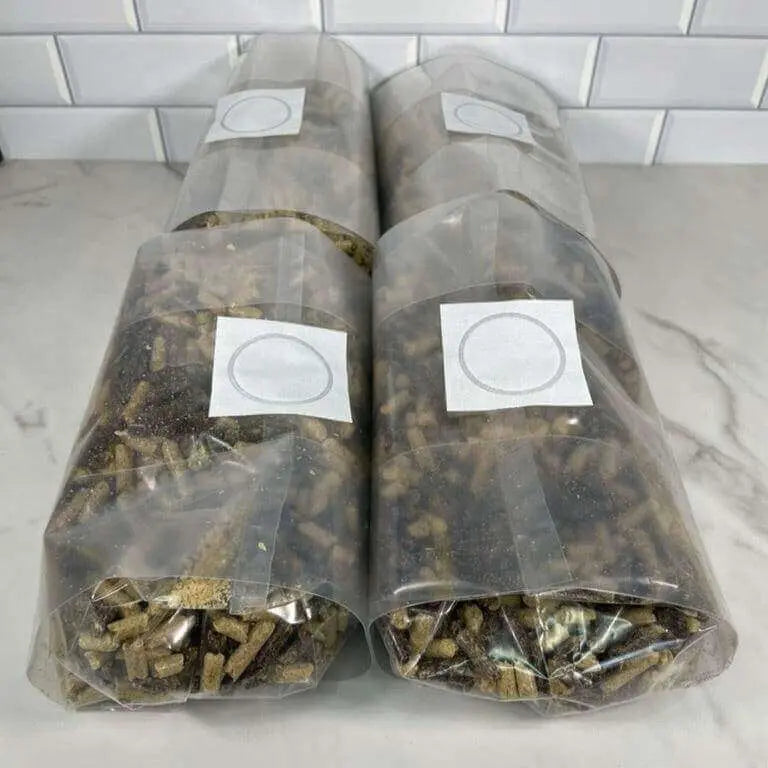
Hardwood Fuel Pellets — HWFP — are the gold standard base substrate for hardwood-loving mushroom species. 100% Tasmanian Oak, Australian grown and manufactured, compressed without glues, fillers or additives of any kind. Just pure hardwood sawdust in a format that’s dust-free to handle, easy to measure, fast to hydrate and consistent batch after batch.
We use these exact pellets in our own mushroom production on Tamborine Mountain. They’re the foundation of our Masters Mix and the starting point for every hardwood substrate we run. Buy them here to build your own blends, or use them straight as a clean, reliable base.
What makes these pellets the right choice
100% Tasmanian Oak — pure hardwood
No additives. No exceptions.Pure compressed hardwood sawdust — no binders, no glues, no fillers, no chemical additives of any kind. This matters for mushroom cultivation: anything in your substrate that isn’t pure wood is a variable you don’t need. Tasmanian Oak provides an ideal lignocellulosic structure for the enzymatic machinery of hardwood-loving species.
Australian grown and manufactured
No imports. No unknown supply chains.These pellets are grown and processed in Australia. Imported hardwood pellets introduce biosecurity risk and variable species composition — you don’t always know what wood you’re actually growing on. Tasmanian Oak is a well-documented hardwood substrate with a consistent performance record across the species we grow.
Pelletised format — not loose sawdust
Dust-free. Consistent. Easy to measure.Loose sawdust is messy, difficult to measure accurately, and creates fine particle clouds during mixing that are both a respiratory hazard and a contamination risk. Pellets weigh predictably, pour cleanly, and rehydrate quickly into an even substrate texture. The pelleting process also applies heat and pressure that partially sanitises the wood before it ever reaches your hands.
Farm-tested on our own production
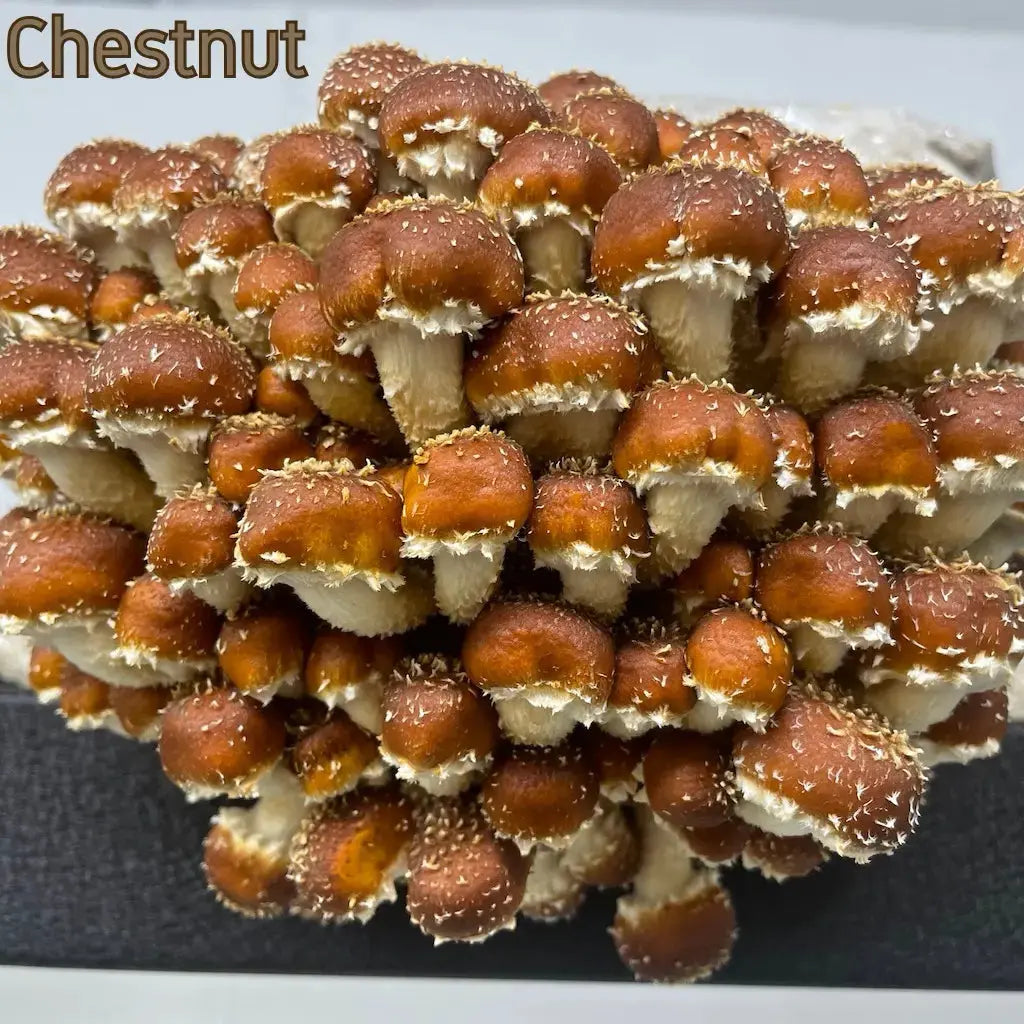
We run these through our own autoclaves.We grow lion’s mane, oyster, pioppino and chestnut mushrooms on these exact pellets in our own production facility. They’re not a product we stock and ship without using ourselves. If a batch doesn’t perform in our autoclave or perform on our fruiting shelves, it doesn’t go on the shelf.
What you’ll notice
- Substrate prep that takes minutes rather than hours — add water, wait, done
- A dust-free mixing process — no sawdust clouds, no respiratory issues, no fine particles settling on your work surface
- Consistent substrate texture and moisture level batch after batch — pellets hydrate evenly rather than forming wet and dry pockets
- Strong, healthy mycelium colonisation in clean, uncontaminated runs
- The flexibility to build your own blend — start with HWFP as your base and customise supplementation to your species, method and skill level
Why pellets outperform raw sawdust for substrate: The pelleting process subjects raw hardwood sawdust to high heat and mechanical pressure to form a compressed cylinder — no binders required for pure hardwood, which holds its shape through natural lignin binding. This process does two useful things for mushroom growers. First, the heat and pressure partially sanitise the raw wood material — reducing the ambient microbial load before sterilisation or pasteurisation even begins. Second, the compressed format means the sawdust particles are intimately bonded, and when rehydrated they break apart into an evenly dispersed, fine-grained substrate with ideal air pockets for mycelial gas exchange. Raw sawdust often clumps unevenly, creating anaerobic zones that invite contamination. Hydrated pellets don’t.
Why hardwood specifically: Wood-loving mushroom species evolved to digest the lignocellulosic structure of hardwood — the combination of cellulose, hemicellulose and lignin that makes up the cell walls. Their enzymatic toolkit is built for it. Softwoods (pine, cypress) contain resins and terpene compounds that inhibit mycelial growth in most species. Pure hardwood sawdust provides the nutritional and structural substrate these species need without the chemical interference.
How to prepare your substrate
Hydrate → mix → sterilise or pasteurise → inoculate
Hydration ratios — HWFP base substrate Preparation steps✅ Pasteurisation (HWFP alone)
Boiling water or steam — no pressure cooker needed
Pure hardwood substrate has a lower nutrient level, which means it’s less attractive to competing organisms. Hot water pasteurisation (pour boiling water over substrate and allow to sit covered for 60–90 minutes) is sufficient for HWFP-only blends, making it accessible to growers without pressure cooking equipment.
⚡ Sterilisation (if supplemented)
Pressure cooker / autoclave at 121°C required
Add soy hull pellets, bran or any other nitrogen-rich supplement and the contamination risk increases significantly — higher nutrient content feeds competing bacteria and mould as readily as mycelium. Pressure cooking at 15 PSI for 90–120 minutes is required for supplemented substrates. See our Masters Mix for pre-blended options.
Which mushrooms grow on hardwood substrate
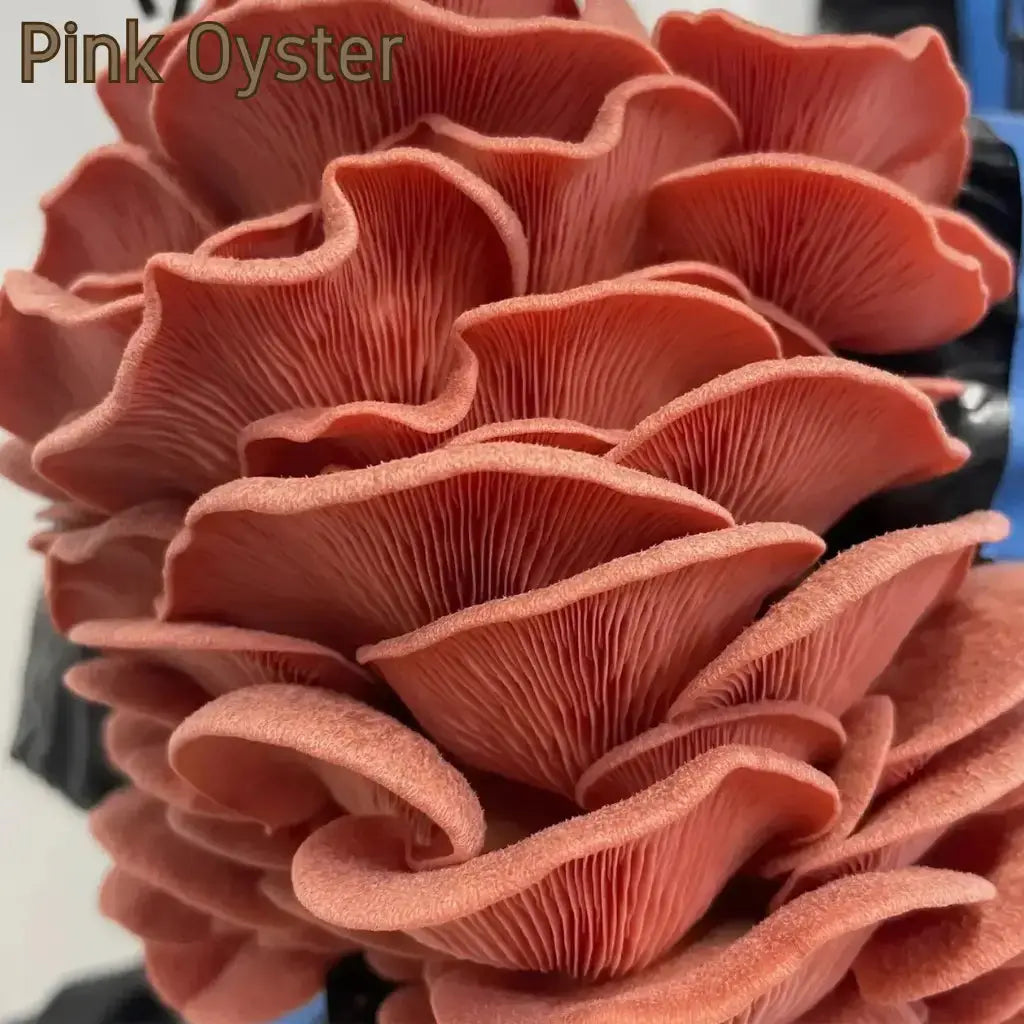
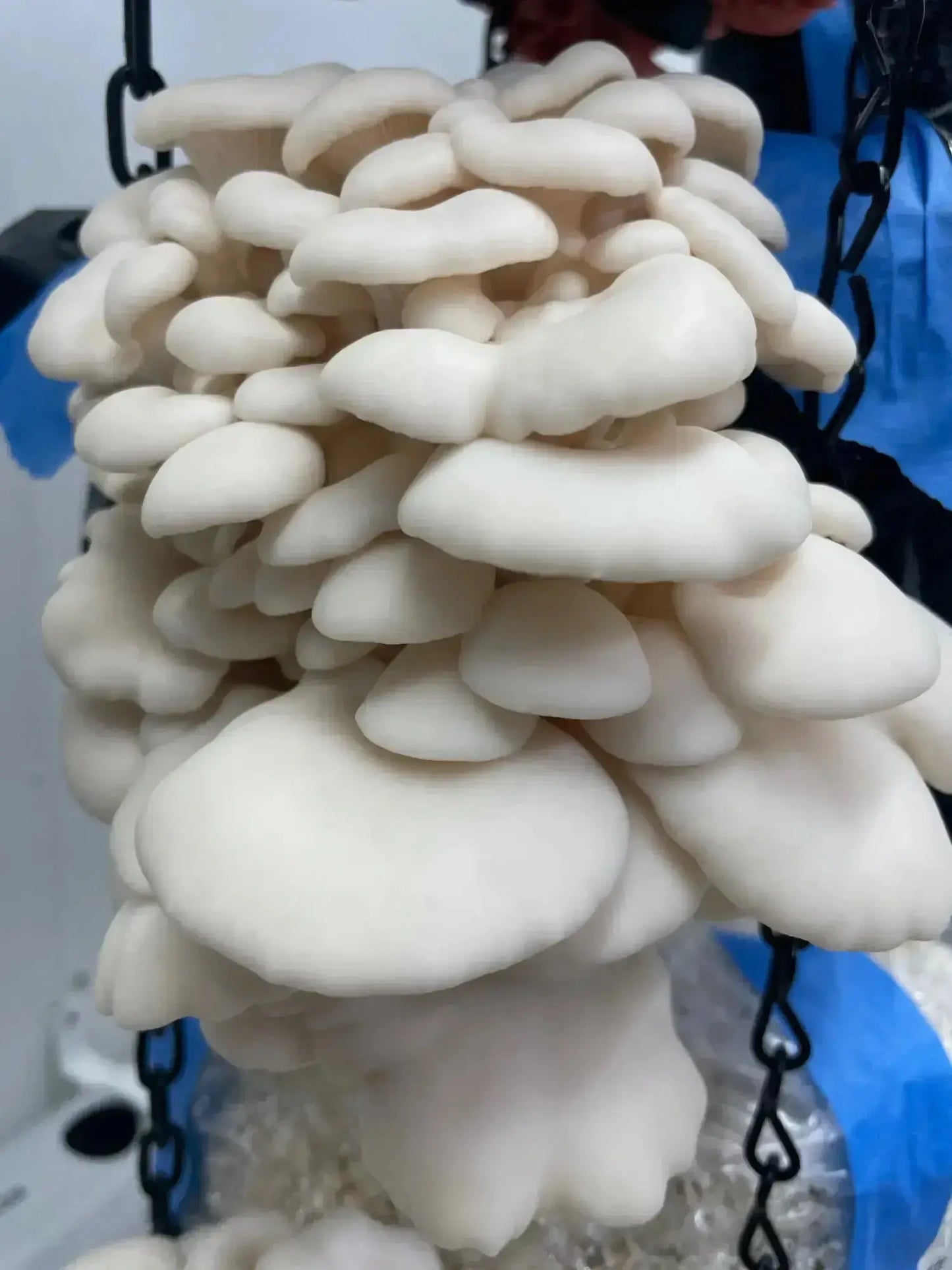
HWFP suits all wood-decomposing (saprotrophic) hardwood-loving species.
♻️ Don’t throw away your spent substrate
Once your bags have finished fruiting, the spent substrate is far from waste. Partially digested hardwood substrate is an excellent addition to compost — the mycelium has already begun breaking down the lignin and cellulose, making it more accessible to soil organisms than fresh woodchip. Alternatively, use it directly as a moisture-retaining garden mulch around trees and shrubs, or dig it into bed soil to improve structure and feed fungi. A closed loop from grow room to garden.
Kai Kai Farm is a family operation run on Tamborine Mountain in Queensland’s Scenic Rim. We grow gourmet mushrooms commercially — lion’s mane, oysters, pioppino, chestnut — and we supply the growing community with the same substrates, bags and inputs we use in our own production.
We stocked these hardwood pellets because we needed them ourselves and couldn’t find an Australian supplier we were satisfied with. We found the right source, tested them across multiple species and sterilisation methods, and put them on the shelf once we were confident in the results. That’s the standard we apply to everything we sell.
Whether you’re running one bag on a pressure cooker or twenty bags through a commercial autoclave, these are the pellets we’d use. They’re the pellets we do use.
Benefits
Benefits
How do I use it?
How do I use it?
Available Sizes
Available Sizes
Delivery Information
Delivery Information
- We ship from Tamborine Mountain, QLD using either AusPost or Aramex
- Fast dispatch within 1-2 business day (excluding Fridays) with express post options available
Why Customers Love Us
 Australian Owned
 Family Business
 Sustainability