

Tamborine Mountain, QLD · Made Fresh On-Farm
Bokashi Bran & Bins - Composting for Living Soil
Turn your kitchen scraps into garden gold—without the usual compost smell. Traditional composting can be slow and picky. Bokashi composting is different. It’s a Japanese-inspired fermentation process that uses beneficial microbes to break down almost all your food waste—including meat, dairy, and citrus—in a fraction of the time.
-
4L Kitchen Compost Caddy
Regular price $22.00Regular price -
Bokashi Bin 15L Composting Set
Regular price From $63.00Regular price -
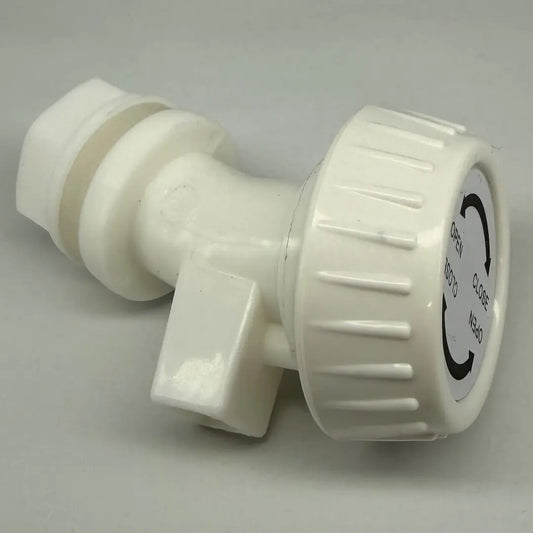
Bokashi Bin Spare Parts
Regular price From $5.00Regular price -
Bokashi Bran Mix - Organic Compost Activator For Kitchen Waste
Regular price From $14.00Regular price -
Cat-Kashi - Cat Litter Deodoriser & Extender
Regular price From $15.00Regular price -
Pet-Kashi Pet Waste Composter Starter Kit – 20L Complete Fermentation System
Regular price $95.00Regular price -
Pet-Kashi | 2.5KG Organic Pet Waste Composting Bokashi Bran | Microbial Catalyst
Regular price $25.00Regular price$35.00Sale price $25.00Sale -
Terra-Kashi: Organic supercharged mineral & microbial inoculant
Regular price $48.00Regular price








For Your kitchen & garden
What is Bokashi composting?
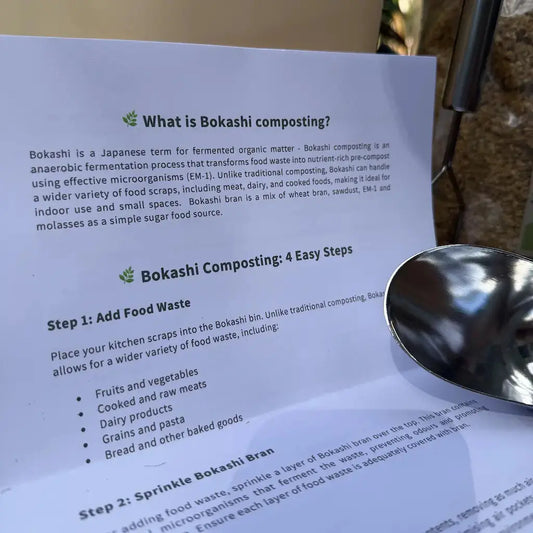
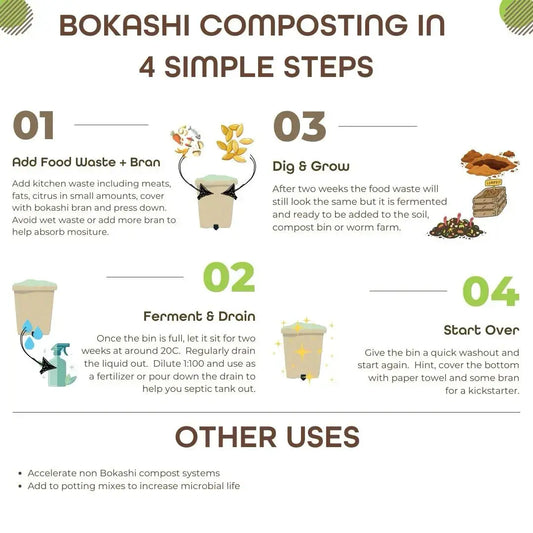
Bokashi composting ferments food scraps in a sealed bin using bran inoculated with beneficial microbes (EM-1). Over about 2 weeks the scraps pickle rather than rot, including meat, dairy, citrus and cooked food. Bury the result and it becomes rich compost in another 2–4 weeks, while the drained bokashi juice doubles as a liquid feed.
How bokashi works — 3 simple steps
Unlike traditional composting which can be slow and smelly, bokashi ferments your food waste quickly and cleanly — right inside your kitchen.
Why bokashi beats regular composting
| Feature | Bokashi ✓ | Worm farm | FOGO bin | Regular compost |
|---|---|---|---|---|
| Meat, dairy & citrus | Yes — all go in | No — worms dislike them | Usually yes (check your council) | Not recommended |
| Smell | Mild, pickled aroma | Earthy when balanced | Can smell between pickups | Can smell if unbalanced |
| Time to result | 2 weeks, then 2–4 weeks in soil | Castings in around 2–3 months | Collected and composted off-site | 3–12 months |
| Space needed | Under the sink, plus soil or a pot to finish | Shaded spot or balcony | Kerbside bin | Backyard |
| Liquid fertiliser | Yes — bokashi juice | Yes — worm leachate | No | No |
| Nutrients stay? | Yes | Yes | No — goes to commercial composting | Yes |
Bokashi and worm farms work well together: small amounts of fermented bokashi make great worm food.
Common questions
New to Bokashi Composting? These are the questions we hear most from our customers.
Everything you need to know before ordering. Still unsure? Drop us an email or call, we are happy to help.
Collapsible content
What is bokashi composting?
Bokashi composting is a Japanese-inspired method that ferments food scraps in a sealed bin using bran inoculated with beneficial microbes such as EM-1. Instead of rotting, the scraps pickle over about 2 weeks. The fermented material is then buried or added to soil, where it breaks down into rich compost within another 2 to 4 weeks. Bokashi handles meat, dairy, citrus and cooked food that regular compost heaps struggle with.
What can go in a bokashi bin?
Most kitchen food waste can go in, including fruit and vegetable scraps, citrus, onion, cooked leftovers, bread, rice, meat, fish and dairy. Keep out excess liquids such as soups and milk, anything already mouldy or rotten, and non-food items like plastic and paper towel in large amounts. Large bones can go in but break down slowly, so they are best broken up or left out.
How much bokashi bran should I use?
Sprinkle a handful or 2 of bokashi bran over each layer of scraps, adding a little extra for meat, fish, dairy or large loads. Press each layer down firmly to remove air, then close the lid tightly.
Does a bokashi bin smell?
A healthy bokashi bin has a mild, sweet-sour pickled smell, which is the sign that lactic acid bacteria are fermenting the scraps. White, fuzzy mould on the surface is also a good sign. A putrid or rotten smell, or blue, green or black mould, usually means air got in or not enough bran was used. Add more bran, press the scraps down firmly and make sure the lid is sealed.
What do I do with bokashi juice?
Drain the liquid from the tap every 2 to 3 days so the scraps do not sit in it. Dilute it 1:100 (or to the colour of weak tea) with non-chlorinated water and use it within 24 hours as a liquid feed for garden beds and pot plants. Never apply it undiluted to plants.
What can I do with bokashi if I do not have a garden?
You still have options. Mix the fermented material into a large tub or pot of old potting mix, cover it and leave it 2 to 4 weeks to become soil you can reuse for pot plants. You can also add it in small amounts to a worm farm or compost bin, give it to a friend or community garden, or put it in your council FOGO bin where food waste is accepted; check your council's rules first.
How long does bokashi composting take?
Once the bin is full, leave it sealed to ferment for about 2 weeks. After burying the fermented material in soil, it usually breaks down into compost within another 2 to 4 weeks, faster in warm weather. By comparison, a traditional compost heap often takes 3 to 12 months.
What is the difference between bokashi and a worm farm?
A worm farm uses composting worms to digest scraps aerobically, while bokashi ferments scraps anaerobically in a sealed bin using microbes. Worms dislike meat, dairy, citrus and onion, but bokashi handles all of them. Worm farms produce castings and worm tea continuously; bokashi produces a pre-compost that must go into soil, plus bokashi juice. They work well together, as small amounts of fermented bokashi can be fed to worms.
How long does bokashi bran last?
Our bokashi bran is made fresh in small batches with EM-1 on Tamborine Mountain. For best results, use it within 3 months of purchase. Store it sealed in a cool, dry place out of direct sun.
Is Kai Kai Farm bokashi bran organic?
Kai Kai Farm is not certified organic. The bokashi bran is made with organic wheat bran, organic molasses, sustainably grown pine sawdust, gypsum and water, inoculated with genuine EM-1 from EMRO. It contains no synthetic additives or preservatives.
Can you compost dog poo and pet waste with bokashi?
Yes, but keep it completely separate from kitchen bokashi. Pet-Kashi uses a dedicated sealed bin and a bran with zeolite to lock in ammonia odours. Once the bin is full, leave it to ferment for 10 to 14 days at around 20 degrees Celsius in a sheltered spot outdoors, then bury it in ornamental garden beds only, never in vegetable, herb or other edible areas.
Do Kai Kai Farm bokashi spare parts fit Bokashi One bins?
Yes. The Kai Kai Farm 15L bokashi bin uses the same single-bucket design as the Bokashi One bin, so replacement lids, grates, handles, taps and compactors fit both. Stainless steel upgrades are also available, including a juice-catching bowl, compactor and bran scoop.


Most composting systems tell you to leave out the hard stuff — meat scraps, dairy, citrus, cooked food. Bokashi composting handles all of it. It's a Japanese-inspired fermentation method that uses beneficial microbes to break down your entire food waste stream in a fraction of the time, with zero odour and maximum nutrients.
At Kai Kai Farm, we use gold-standard EM-1 from EMRO — the world's leading authority on Effective Microorganisms technology. That means every product in this range is genuinely bio-active, not shelf-stable filler.
What's in the range
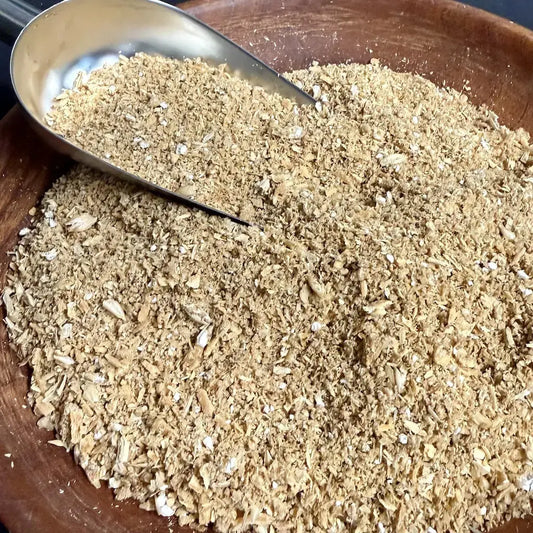
Organic Bokashi Bran — our signature fermentation activator, available in 1.25KG, 2.5KG and 5KG. Handcrafted on-farm, it's the microbial engine that pre-digests kitchen waste and eliminates odours inside your bin.
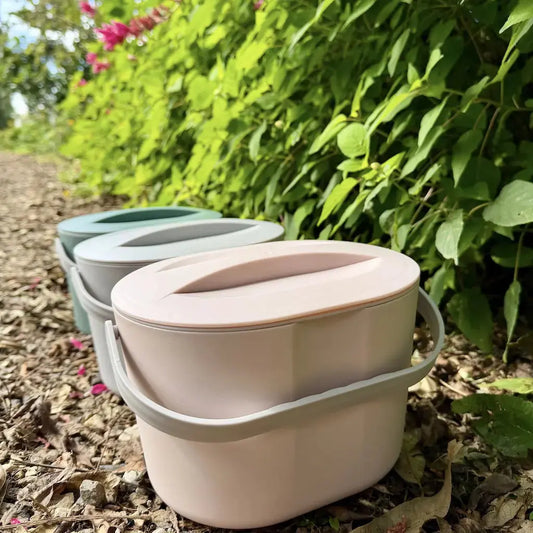
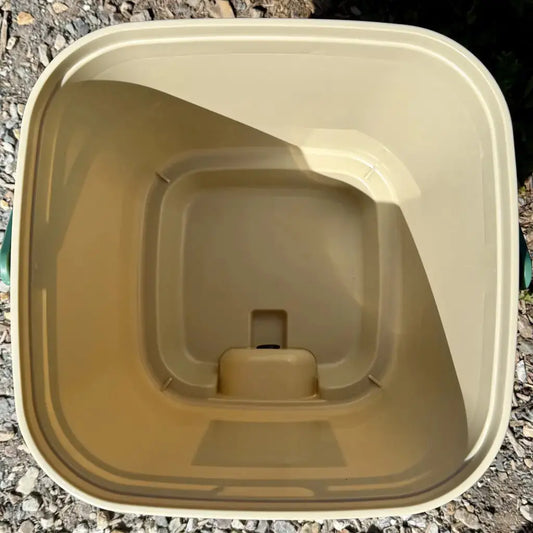
Bokashi Bins & Kitchen Caddies — airtight 15L composting sets designed for under-sink use. The sealed anaerobic environment is what makes bokashi work — no oxygen, no smell, just fast fermentation. Our kitchen caddies make daily loading simple without disrupting the bin's seal.
Pet-Kashi — bokashi fermentation for pet waste. Our Pet-Kashi Bran and complete Pet Waste Composter Starter Kit let you safely compost dog and cat waste at home, turning what usually goes to landfill into soil-safe organic matter.
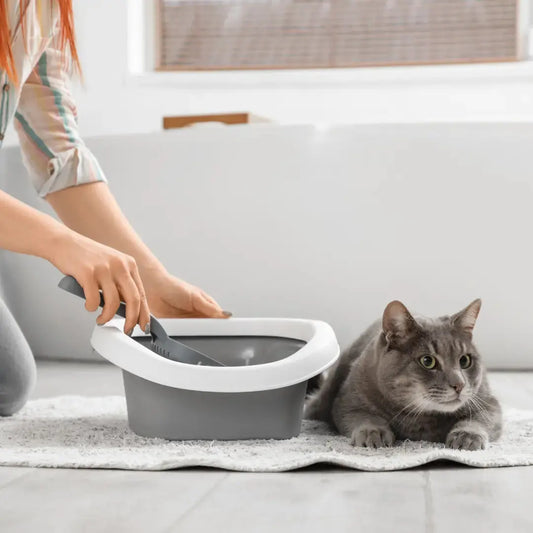
Cat-Kashi — an organic kitty litter extender and odour controller. Sprinkle into your litter tray to neutralise ammonia and extend the life of your litter using the same EM microbial technology.
Terra-Kashi — our most advanced bokashi product. A supercharged blend of minerals and microbial inoculants designed to be worked directly into tired or depleted soil. Think of it as a soil reset — re-establishing the microbial life that makes nutrients available to roots.
The Kai Kai Farm difference
Unlike mass-produced bokashi bran found in hardware stores, our products are genuinely bio-active. We inoculate fresh bran with EMRO's EM-1, in small batches, right here on the Mountain. By the time the bran reaches you, it's alive and ready to work — not sitting dormant on a shelf. If you're going to ferment your kitchen scraps, you want the real thing.
Got questions about getting started? Visit our Bokashi FAQ — we cover everything from setting up your first bin to troubleshooting fermentation.